Academic Specializations
-1200x900.jpg&w=3840&q=75)
Nuclear Electrical Technology
The Nuclear Electrical Technology specialization is designed to prepare highly qualified technical professionals in electrical power and control systems used in nuclear power plants and large-scale industrial facilities. The program combines fundamental engineering sciences with intensive hands-on training, equipping students with the practical knowledge and technical skills required to work in power generation, transmission, distribution, and modern electrical control systems.
Throughout the program, students study electrical power systems, electric motors, measurement instruments, control panels, electrical protection systems, as well as nuclear energy technologies and the operation and maintenance of electrical equipment used in nuclear facilities. Practical training is conducted in well-equipped laboratories and electrical workshops using modern educational equipment, ensuring students gain real-world experience alongside theoretical knowledge.
The specialization also emphasizes engineering problem-solving, fault diagnosis, quality assurance, and occupational safety standards, preparing graduates to confidently work with advanced electrical systems. Upon graduation, students may pursue higher education or build careers in electrical engineering, industrial power systems, energy facilities, and nuclear-related industries.
Nuclear Mechanical Technology
The Nuclear Mechanical Technology specialization is one of the core engineering disciplines offered by the Advanced Technical School for Applied Technology in Nuclear Energy. It prepares highly skilled technical professionals capable of operating and maintaining the mechanical systems and equipment used in nuclear power plants and advanced industrial facilities. The curriculum integrates academic study with practical training to ensure graduates meet the highest standards of quality, efficiency, and safety.
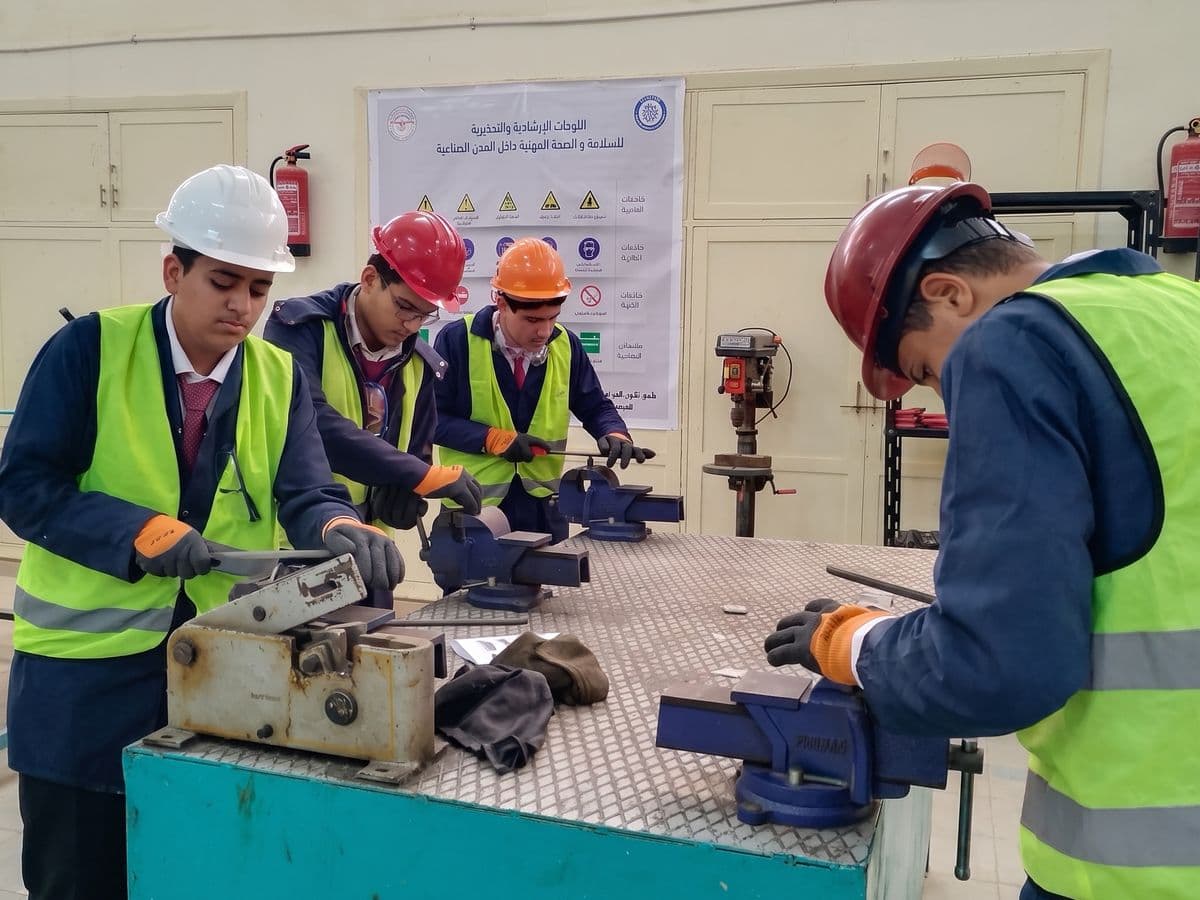
Students study engineering mechanics, material science, technical drawing, cooling systems, pumps, valves, turbines, heat exchangers, and preventive and corrective maintenance techniques. Extensive practical training is provided through specialized workshops and laboratories equipped with modern machinery, allowing students to transform theoretical knowledge into valuable technical expertise.
The program also develops analytical thinking, teamwork, and adherence to industrial and nuclear safety regulations, which are essential skills for careers in advanced industrial environments. Graduates are well prepared to continue their higher education or pursue careers in mechanical engineering, industrial maintenance, energy production, and nuclear technology sectors.
Nuclear Electronics Technology
The Nuclear Electronics Technology specialization prepares students to work with sophisticated electronic systems, measurement instruments, and control technologies used in nuclear power plants and advanced industrial environments. The curriculum combines electronics theory with practical applications, enabling students to keep pace with the latest technological developments in the field.
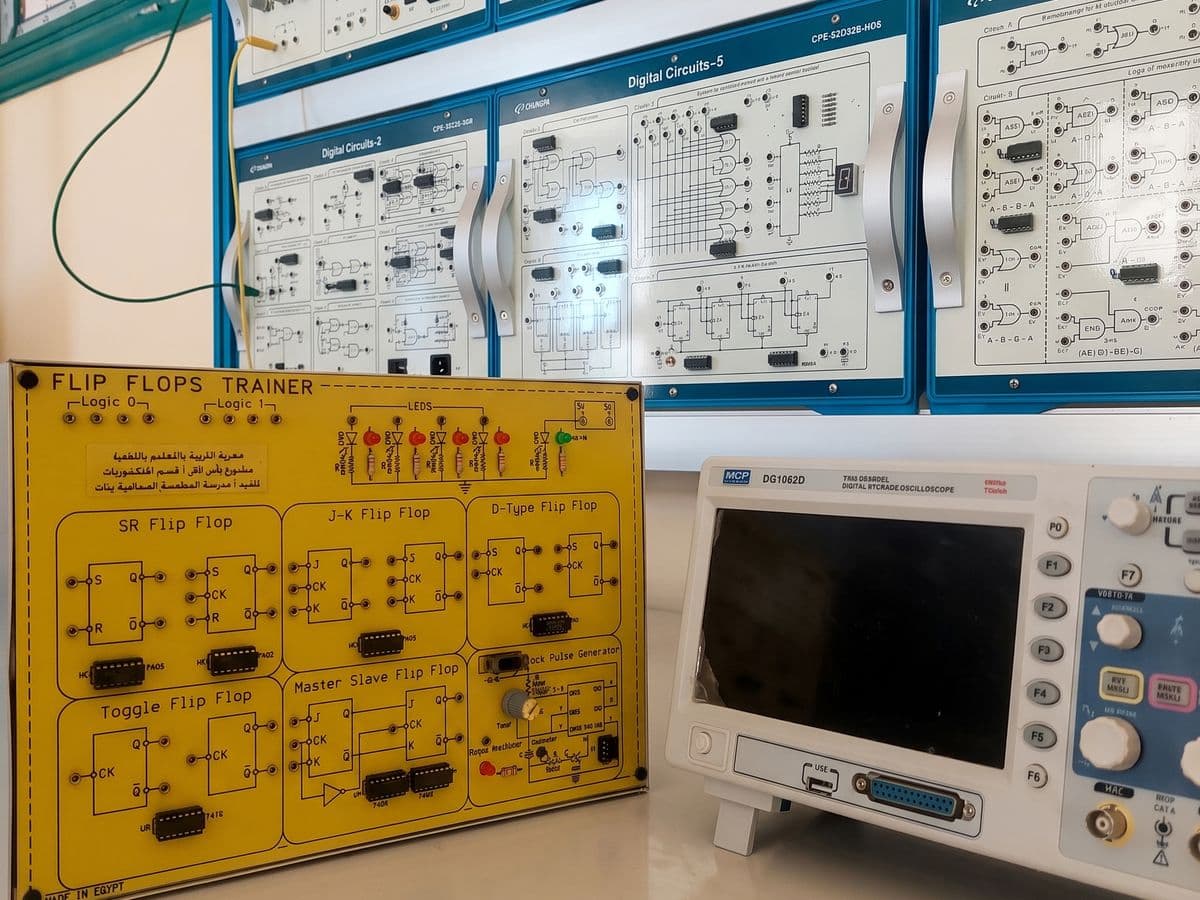
Students study analog and digital electronics, automatic control systems, sensors, electronic measuring instruments, electronic circuits, computer systems, and nuclear technology applications. They receive extensive hands-on training in specialized electronics laboratories, where they learn to install, operate, troubleshoot, and maintain modern electronic systems using advanced equipment.
The specialization focuses on developing innovation, precision, analytical thinking, and technical problem-solving skills while maintaining strict quality and safety standards. Graduates are qualified to pursue higher education or careers in industrial electronics, automation and control systems, instrumentation, and nuclear technology industries.